
 New Jersey
Gov. Sherrill signs the Garden State Balcony Solar Act
Is plug-in solar legal in New Jersey?
In effect. Gov. Mikie Sherrill signed the Garden State Balcony Solar Act (S2368/A4836) on September 1, 2026. Qualifying plug-in devices up to 1,200W are exempt from utility interconnection and metering requirements, including certain fees, approvals, and equipment mandates. Landlords, HOAs, and similar entities can't broadly prohibit them, and municipalities can't ban them or require a permit for their use.
Last reviewed: July 2026 · Compare New Jersey with every other state
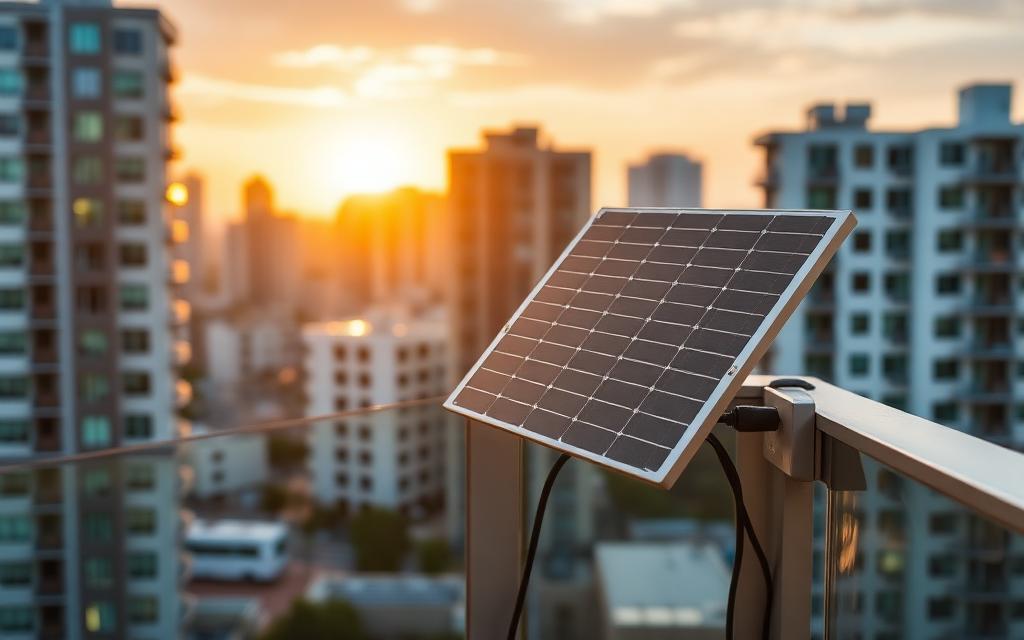
New Jersey is now a plug-in solar state. On September 1, 2026, Gov. Mikie Sherrill signed the Garden State Balcony Solar Act (S2368/A4836), which the legislature had passed unanimously on July 1. The law lets residents buy and use portable, plug-in solar panels to generate their own power and cut their electricity bills.
Balcony solar devices plug into a standard 120-volt outlet — most kits ship with a microinverter and adapter — and feed power directly into a home's existing electrical system, offsetting what you'd otherwise buy from the utility.
What the law allows
- Qualifying plug-in solar devices up to 1,200 watts — roughly what a microwave draws.
- Exemption from utility interconnection and metering requirements, including certain fees, approvals, and equipment mandates.
- Landlords, homeowner associations, and similar entities can't broadly prohibit the devices.
- Municipalities can't ban them or require a permit for their use.
Why it matters here
Roughly 40 percent of New Jerseyans rent or live in apartments and have never had a practical way to lower their own power bill with solar. Sponsors Sen. John McKeon and Assemblyman Robert Karabinchak both framed the bill as a renter-first affordability measure, and it lands alongside the administration's broader push on energy costs.
As always, follow the manufacturer's installation instructions, use UL-certified equipment, and check with a licensed electrician if you're unsure about your outlet or circuit.
Sources & further reading
This is general guidance, not legal advice. Plug-in solar rules vary by state, utility, and local code, and they change often. Always confirm current requirements with your utility and local authority before installing.
Disclaimer: Consumers should consult with a licensed electrician to ensure their home power system is safe, up to code, and compatible with plug-in solar systems.
Share this