
 Maine
MaineMaine's two-tier plug-in solar law is live
Is plug-in solar legal in Maine?
In effect. Signed April 2026, effective July 2026 (live now). Two tiers: systems ≤420W need no electrician and no utility notification; 420–1,200W require a licensed electrician.
Last reviewed: July 2026 · Compare Maine with every other state
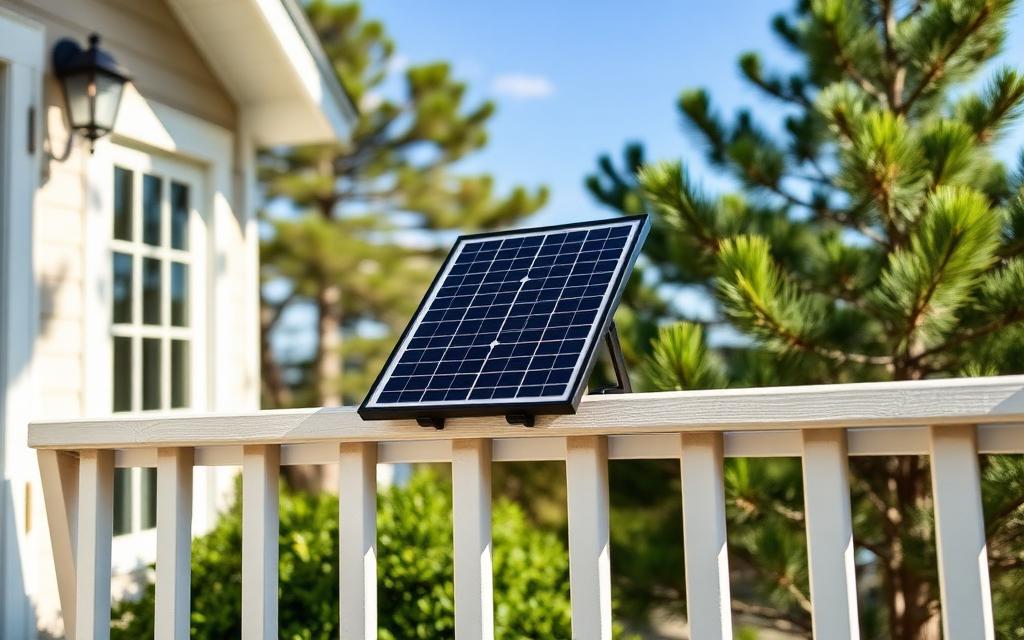
Maine's plug-in solar law took effect in July 2026, and some companies were already selling qualifying products in the state ahead of the start date. The law (LD 1730) allows small plug-in solar systems with export capacity of 1,200 watts or less to connect to a standard outlet.
A two-tier approach
Maine's version is notable for splitting requirements by size, lowering the barrier for the smallest systems while keeping a safety check on larger ones:
- Systems up to 420W: no electrician and no notification required.
- Systems from 420W to 1,200W: a licensed electrician is required.
What it means for you
If you start with a single small panel, you can likely set it up yourself. Utilities like Versant Power have published guidance on how balcony solar fits their service territory — a good sign the rollout is underway.
Sources & further reading
This is general guidance, not legal advice. Plug-in solar rules vary by state, utility, and local code, and they change often. Always confirm current requirements with your utility and local authority before installing.
Disclaimer: Consumers should consult with a licensed electrician to ensure their home power system is safe, up to code, and compatible with plug-in solar systems.
Share this