
Safety considerations when installing plug-in solar
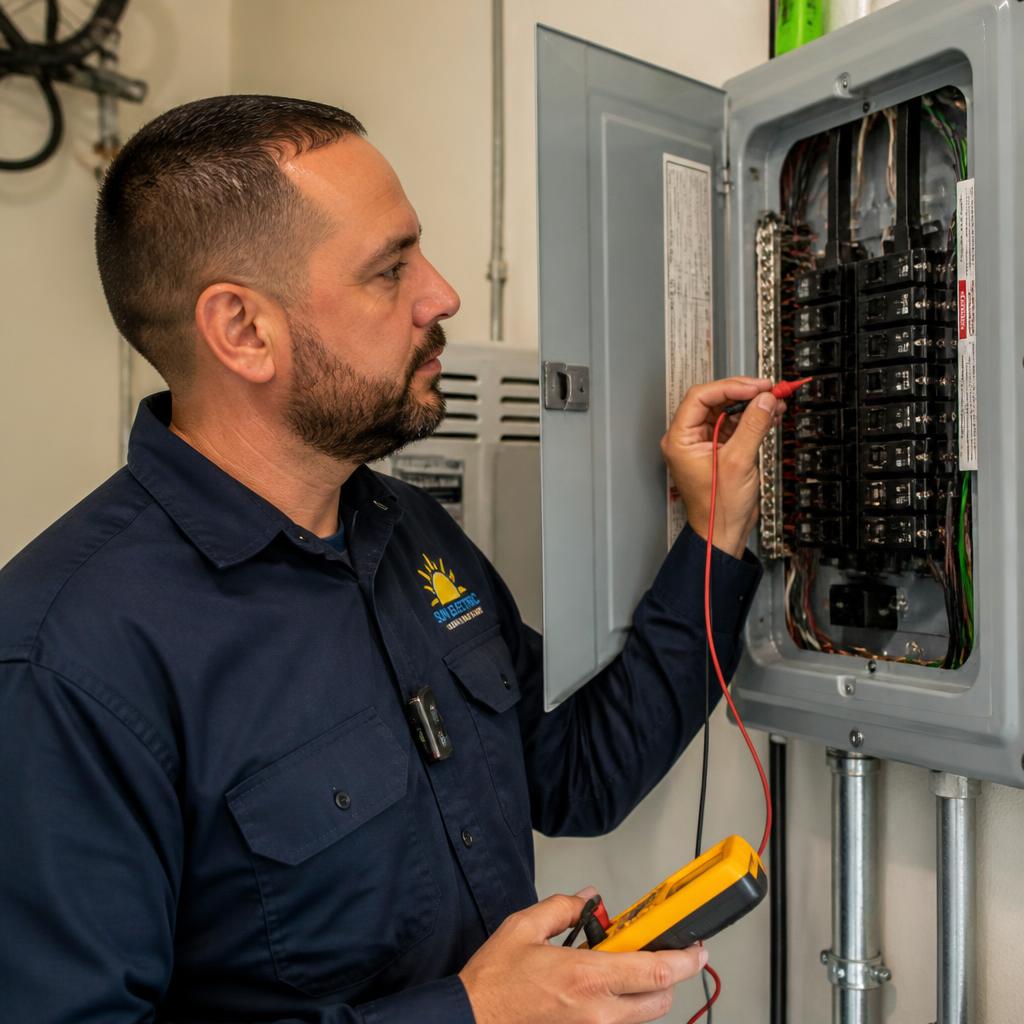
Plug-in solar has grown up quickly. What began as a European workaround for apartment dwellers is now a mainstream category in the U.S., with UL-certified hardware, dedicated state laws, and hundreds of thousands of installations already humming along on balconies, patios, and side yards. The technology is mature, the equipment is well-engineered, and — as long as you buy a certified kit and follow a few common-sense guidelines — it's one of the safest and most accessible ways to start generating your own electricity.
That said, plug-in solar is still electricity flowing into your home. Utilities, electricians, and journalists have raised thoughtful questions about how it interacts with your outlets, breakers, and grid connection. The good news: every one of those concerns has a straightforward answer. Below is a practical walkthrough of what to check before you plug in, and why the concerns you may have read about are, in almost every case, manageable with a little planning.
The pros come first — and they're real
Before we get into the details, it's worth naming what makes plug-in solar so compelling in the first place. It's an entire category built around removing friction from clean energy:
- No roof work, no drilling, no permanent modifications to your home.
- Setup takes under an hour — unbox, mount, and plug into a standard 110V outlet.
- A fraction of the cost of a rooftop system, with a payback typically measured in years, not decades.
- Portable: if you move, the kit moves with you.
- Renter-friendly: because there's no drilling or permanent installation, even renters may be able to benefit — check your lease and local rules first.
- UL-certified microinverters shut down automatically if they lose the grid signal — the same anti-islanding protection required of every grid-tied solar system.
- A growing list of states (Utah, Virginia, Maine, Maryland, and more on the way) have passed dedicated laws that expressly allow it.
Everything below is about protecting that upside — making sure your install is compliant, your wiring is happy, and your kit is one of the good ones.
Buy certified equipment — this is non-negotiable
The single most important safety decision happens before installation: choose a kit whose microinverter is UL 1741 certified for grid interconnection. Certification means the inverter has been tested for anti-islanding (it stops exporting the moment grid power is lost, so line workers aren't shocked by your panels during an outage), overcurrent protection, thermal limits, and a long list of other electrical safety criteria. Both the EcoFlow STREAM and STREAM Ultra we sell are UL-certified — this is what separates a legitimate plug-in solar product from a gray-market import.
Journalists and safety engineers alike have flagged the same failure mode: uncertified hardware bought overseas without the anti-islanding protection U.S. codes require. That's a real concern — and it's the reason we only sell certified kits, and why every state law now being written references certification as a threshold requirement.
Confirm your state's rules — and your utility's
Legality is evolving fast. As of mid-2026, Utah, Virginia, Maine, and Maryland have laws in effect that expressly allow plug-in solar within specified wattage caps. Colorado and Connecticut have laws signed with future start dates. Several more states — New York, New Jersey, New Hampshire, Vermont, Massachusetts, California — have active bills. In every other state, plug-in solar is governed by your individual utility's interconnection rules.
Even in states with dedicated laws, most utilities still want a short interconnection or net-metering form on file. It's usually a one-page notice, not an approval process, but skipping it can put you crosswise with your utility. Sizing your kit to any local wattage cap and filing the paperwork puts you fully in the clear.
Check your state's plug-in solar status before you buy
Understand the 'shared circuit' question
This is the concern electricians raise most often, and it's worth explaining clearly. In the U.S., a standard 15-amp branch circuit is protected by a 15-amp breaker. When you plug a solar microinverter into an outlet on that circuit, the microinverter adds current from the panel side while your appliances continue to draw current from the utility side. In theory, if you loaded that circuit heavily with appliances at the same moment the sun was strong, the total current could exceed what the breaker is designed to trip on — because the breaker only sees the utility side, not the solar contribution.
In practice, the risk is easy to eliminate with three simple rules: (1) plug your kit into a dedicated outlet on its own circuit whenever possible; (2) don't add high-draw appliances (space heaters, hair dryers, window AC units) to the same circuit you're feeding solar into; and (3) size your kit to the wattage cap your state has set, which is specifically designed to keep total current well within a standard breaker's headroom. If you're unsure about your home's circuit layout, a 30-minute visit from a licensed electrician can map it out for you — cheap insurance for a system you'll run for a decade or more.
Use the right outlet and the right cord
A few practical rules for the physical connection itself:
- Plug directly into a grounded, three-prong wall outlet rated for 15A or 20A — not into a power strip, extension cord, or surge protector.
- Inspect the outlet: no scorching, no looseness, no signs of age. If the outlet looks tired, replace it before you plug anything in.
- Use only the cord that ships with the kit. It's sized for the microinverter's maximum output and rated for outdoor use.
- Keep the microinverter mounted where it can shed heat — shaded, off the ground, and not enclosed in a sealed box.
- If you're mounting panels on a balcony railing, make sure the mounts are rated for the panel's weight plus wind load, and follow the manufacturer's torque specs.
Fire safety: what the record actually shows
Balcony solar has been deployed at scale in Germany for years — more than a million systems are installed there — with an extremely low incidence of fire or electrical incidents traceable to the kits themselves. The failures that do occur almost always come back to the same handful of root causes: uncertified inverters, damaged cords, overloaded shared circuits, or improperly installed mounting. Every one of those is preventable with the certified-hardware and dedicated-circuit guidance above.
The takeaway isn't that plug-in solar is risk-free — no electrical system is. It's that the risks are well understood, the mitigations are simple, and the safety record of certified, properly installed kits is excellent.
When to call an electrician
You do not need an electrician to install a basic UL-certified plug-in solar kit in most states — that's a large part of the appeal. But there are three situations where a short professional visit is money well spent:
- You live in an older home where you're not sure whether the outlet you'll use is properly grounded, or which appliances share that circuit.
- Your state's law requires a licensed electrician above a certain wattage (Maine, for example, requires one for systems between 420W and 1,200W).
- You want peace of mind that your panel wiring, breaker sizing, and grounding are all in order before you connect anything new to the grid.
This is general guidance, not a substitute for local expertise. Consult a licensed electrician if you have any concerns about your home's electrical system, and always confirm current requirements with your utility and local authority before installing.
The bottom line
Plug-in solar has earned its reputation as the easiest on-ramp into home energy production. Buy a UL-certified kit, plug it into a healthy outlet on a circuit that isn't already saturated, size it to your state's cap, and file whatever paperwork your utility asks for. Do those four things and you'll be running one of the safest, simplest, most cost-effective clean-energy systems available to a homeowner or renter today.
Sources & further reading
- Plug In Balcony Solar Power Moves from Hack to Household — IEEE Spectrum
- The balcony solar boom — MIT Technology Review
- Utilities are raising concerns about plug-in solar panels — NPR
- What to know before you get balcony solar — Canary Media
- Environment Report: Is Plug-In Solar Actually Dangerous? — Voice of San Diego
- What to Know Before You Get Balcony Solar — ecoRI News
- Balcony plug-in solar panels: Are we ready for this new era of accessible energy? — Solar Power World
- Is Plug-In Solar Safe? The Wiring Danger That Marketing Will Not Tell You About — Florida Solar Design Group
- Is Plug-In Solar Safe? — Bright Saver
- Is Plug-In Solar Safe? Fire, Electrical & Grid Safety Explained — Sungold Solar
- 2026 Guide to Balcony & Plug-In Solar — Solar.com
- Balcony solar power — Wikipedia
Share this
Comments
Loading comments…
Leave a comment
Comments are reviewed before they appear.