
New Jersey Is the 10th US State to Legalize Balcony Solar — Here's What That Means for You
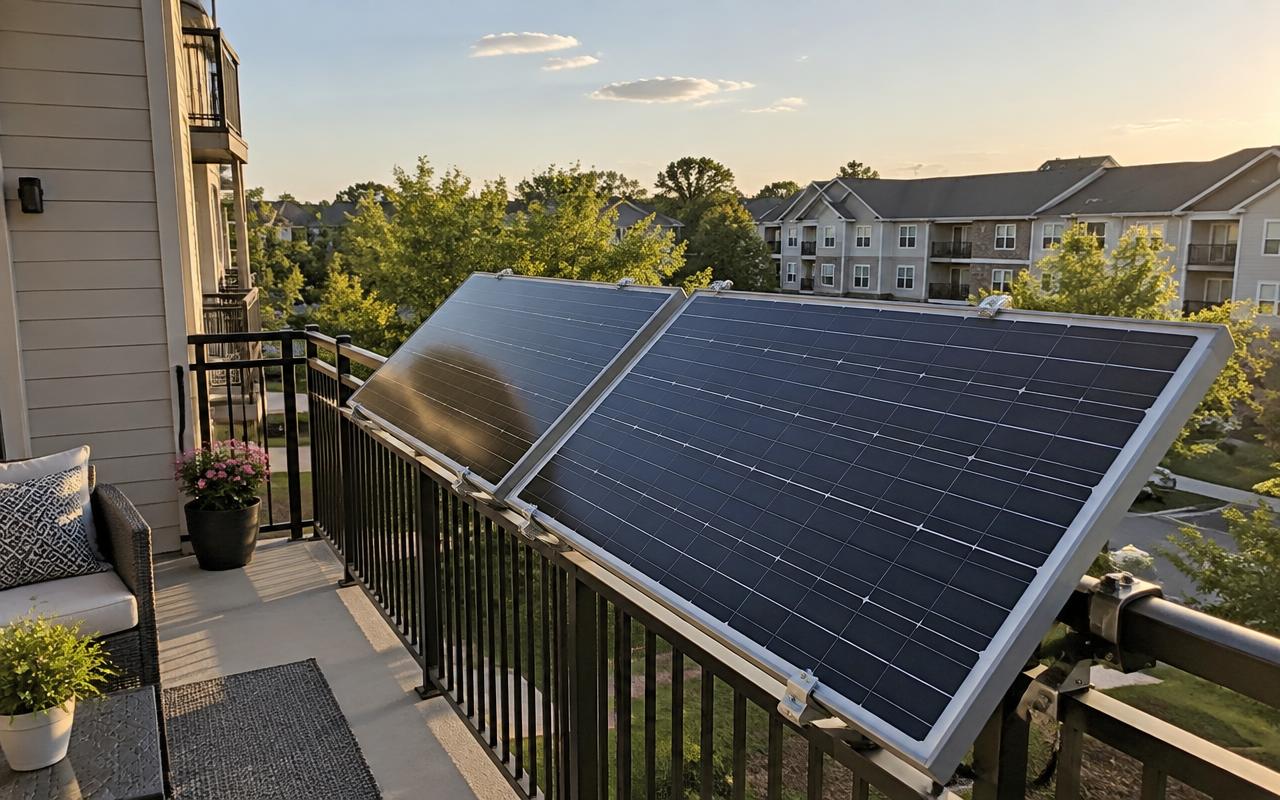
On September 1, Governor Mikie Sherrill signed the Garden State Balcony Solar Act, making New Jersey the tenth state to give plug-in solar the legal green light. If you don't live in New Jersey, it's tempting to scroll past this one. Don't. The bigger story isn't any single state's bill — it's the pattern those bills are forming, and what that pattern says about where balcony solar is headed everywhere else.
What New Jersey's Law Actually Does
Strip away the legislative language and the Garden State Balcony Solar Act boils down to a few plain-English rules.
Any plug-in solar unit up to 1,200 watts — think microwave-oven-level power draw, in reverse — can now be plugged into a standard 120-volt outlet without a permit, an electrician, or a utility interconnection agreement. Municipalities can't ban the devices or force residents through a local approval process. And landlords and homeowners associations can no longer issue a blanket “no” to a tenant or unit owner who wants one.
That doesn't mean anything goes, though. Property owners can still require 14 days' notice before installation, ask for a liability waiver covering injury or property damage, and set reasonable rules about where a panel can be mounted and how big it can be. The law takes effect six months after signing — March 2027 — and state officials are pitching it as good for up to $50 off a typical monthly electric bill.
If that framework sounds familiar, it should. It's nearly identical to what Utah, Maine, Virginia, Colorado, Maryland, New Hampshire, Connecticut, Vermont, and New York (whose bill has cleared the legislature and is awaiting the governor's signature) have already put on the books or have moving through their statehouses this year. A 1,200-watt cap. No permit for small plug-in units. Protections for renters who don't own their roof. That's not a coincidence — it's becoming the template.
Why the Pattern Matters More Than the Bill
According to groups tracking this legislation nationally, roughly half of U.S. states now have some form of balcony solar bill in motion. The driving force isn't a green mandate from Washington — it's simpler than that. Electricity bills have been climbing, and lawmakers on both sides of the aisle have found a cheap, popular fix: let people generate a bit of their own power without asking permission from a utility.
That matters for you even if your state hasn't acted yet, for two reasons. First, most of these laws are being written from the same playbook, so once your state does move, you already have a rough sense of what the rules will look like — wattage cap, no permit, some notice-and-waiver requirement for renters. Second, in a lot of states, small plug-in units already sit in a legal gray zone that predates any of this legislation — the new laws mostly exist to formally protect renters from HOA and landlord pushback, not to make the underlying device legal for the first time. So “my state hasn't passed a law yet” and “I'm not allowed to do this” aren't automatically the same thing.
What to Actually Check Before You Buy
A few concrete steps, regardless of where you live: look up whether your state has passed or introduced balcony solar legislation (Canary Media and similar trackers maintain running lists). Read your lease or HOA covenant for any existing solar or “exterior modification” clause — the new wave of state laws generally overrides an outright ban, but not reasonable placement rules. Budget for the fact that a landlord can likely still ask for advance notice and a signed waiver, even where the devices are fully legal. And on the hardware side, look for units built around a certified microinverter (UL 1741 is the existing standard covering grid-safety features like automatic shutoff); a purpose-built plug-in solar safety standard, UL 3700, is still being finalized industry-wide, so no product carries that specific certification yet.
New Jersey's signature is one data point. Ten states in roughly eighteen months is a trend line. If yours isn't on the list yet, the smart move is to watch your state legislature's website, not the calendar.
See where plug-in solar stands in your state
Further Reading
- Gov. Sherrill signs bill aimed at expanding balcony solar — New Jersey Monitor
- Governor Sherrill Signs Legislation Giving New Jerseyans Cleaner, More Affordable Energy at Their Fingertips — Office of Governor Sherrill
- Where does balcony solar stand in your state? — Canary Media
- Virginia Becomes Third State to Legalize Plug-and-Play Solar — mgrid.org
- How deep-red Utah helped launch a portable plug-in solar movement — Grist
Share this
Comments
Loading comments…
Leave a comment
Comments are reviewed before they appear.