
California's Balcony Solar Bill Is Sitting on the Governor's Desk — Here's What It Actually Changes
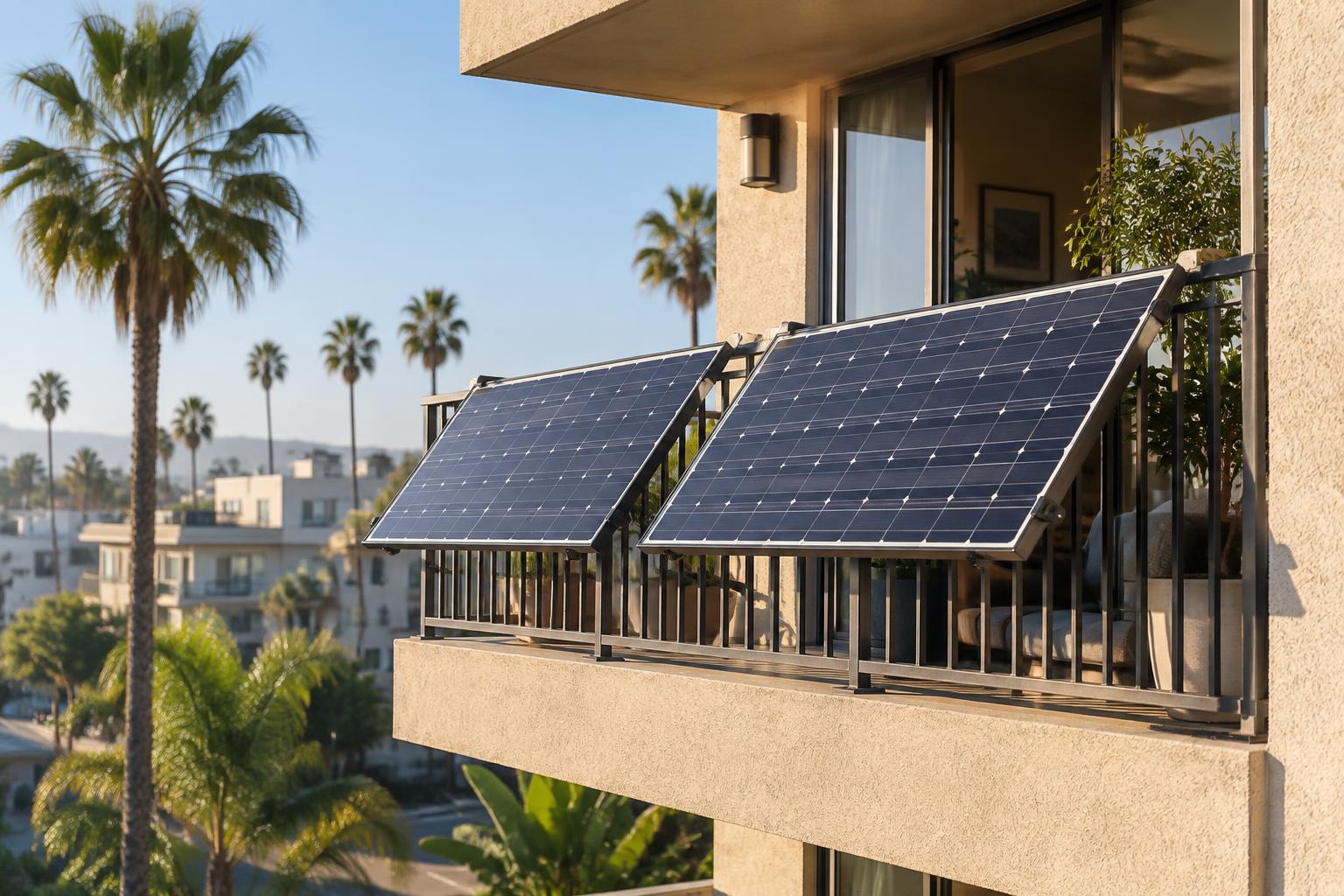
If you live in California and you've seen headlines this month about “balcony solar becoming legal,” it's worth slowing down for a second. The bill — SB 868, sometimes called the Plug and Play Solar Act — cleared both houses of the legislature back on August 25 with a lopsided vote. It's now sitting on Governor Newsom's desk, and he has until September 30 to sign it, veto it, or let it become law without his signature.
That's a big deal for a state where plug-in solar has technically been illegal to date. But “passed the legislature” and “legal to buy and plug in” are two different milestones, and the gap between them is where a lot of confusion tends to creep in. So let's break down what SB 868 would actually do, what it wouldn't, and what California residents should do in the meantime.
What the bill changes
At its core, SB 868 is about removing California's biggest roadblock to plug-in solar: the utility interconnection process. Right now, connecting any solar device to your home's electrical system in California generally requires utility approval, paperwork, and sometimes fees — a process built for rooftop systems that makes little sense for a panel you plug into an outlet.
Under SB 868, systems up to 1,200 watts AC per home would be exempt from that process entirely. Instead of an interconnection application, utilities could only ask for a simple registration — your address, and the make, model, and size of the device. No approval required, no waiting period, no fee.
The bill also sets real safety guardrails, which matters if you're wondering why this wasn't just legal already. Devices would need to be certified as plug-in solar by a lab like UL (under UL 3700, the standard written specifically for this category) or an equivalent, meet both the National and California Electrical Codes, and include anti-backfeed protection — technology that automatically shuts the panel off during a power outage so it doesn't send electricity back into lines that utility crews may be working on.
What the bill doesn't change
Here's the part that's easy to miss in the celebratory headlines: SB 868 legalizes plug-in solar at the state level, but it doesn't force anyone to let you install it. Your landlord can still say no in your lease. Your HOA can still have rules about what's visible from the street or attached to a shared balcony railing. California's Solar Rights Act — the law that limits how much HOAs can restrict rooftop solar for homeowners — doesn't extend to these plug-in devices on shared or rented structures. Local fire and building codes stay in force too.
In other words, SB 868 clears the state regulatory hurdle, not the private one. If you rent or live under an HOA, getting a plug-in system approved is still a conversation you'll need to have with your landlord or board — the bill just means that conversation isn't complicated by a utility interconnection process on top of it.
When does this actually take effect?
Even in the best-case scenario, don't expect to walk into a hardware store and plug in a panel next week. If Governor Newsom signs SB 868 — or simply doesn't act by the September 30 deadline, which under California's constitution would let it become law anyway — it takes effect January 1, 2027. A veto would kill the bill for this session, though that's considered unlikely given the near-unanimous legislative support.
So for now, plug-in solar remains not yet legal for grid-tied use in California. If you're a California resident excited about this, the most useful thing you can do between now and January is exactly what people in the eight or nine other states that have already passed similar laws this year did before their laws changed: read your lease or HOA covenants, and start that conversation early rather than waiting until the day the law flips on.
The bigger picture
California would be the latest and largest state to join this trend — New Jersey's governor signed its own balcony solar law just weeks ago, and roughly half the states in the country now have plug-in solar legislation moving through statehouses. The wattage caps, safety certifications, and registration-instead-of-approval model in SB 868 are becoming a template other states are borrowing from directly. Whatever Governor Newsom decides by the end of the month, it's a signal of where this is headed nationally — even if the fine print, as always, is where the real answers live.
See where plug-in solar stands in your state
Further Reading
- California's Balcony Solar Bill Just Cleared the Legislature: What SB 868 Changes for Your Power Bill — NRG Clean Power
- SB 868 Status: Where California's Plug-In Solar Bill Stands — SolarConnect
- California Legislature Approves Bill Easing Access to Clean, Affordable “Balcony Solar” — CleanTechnica
- New Jersey Governor Signs Balcony Solar Bill to Law — Solar Power World
- Where Does Balcony Solar Stand in Your State? — Canary Media
- 5 Plug-In Solar Myths, Debunked — PlugInSolarUS
Share this
Comments
Loading comments…
Leave a comment
Comments are reviewed before they appear.